Solutions
Contents Restoration Claims
Claims support for inventory-heavy, documentation-heavy contents losses. We help pack-out companies, inventory specialists, and specialty restoration firms organize inventory records, cleaning documentation, storage logs, and carrier submissions into files built for review.
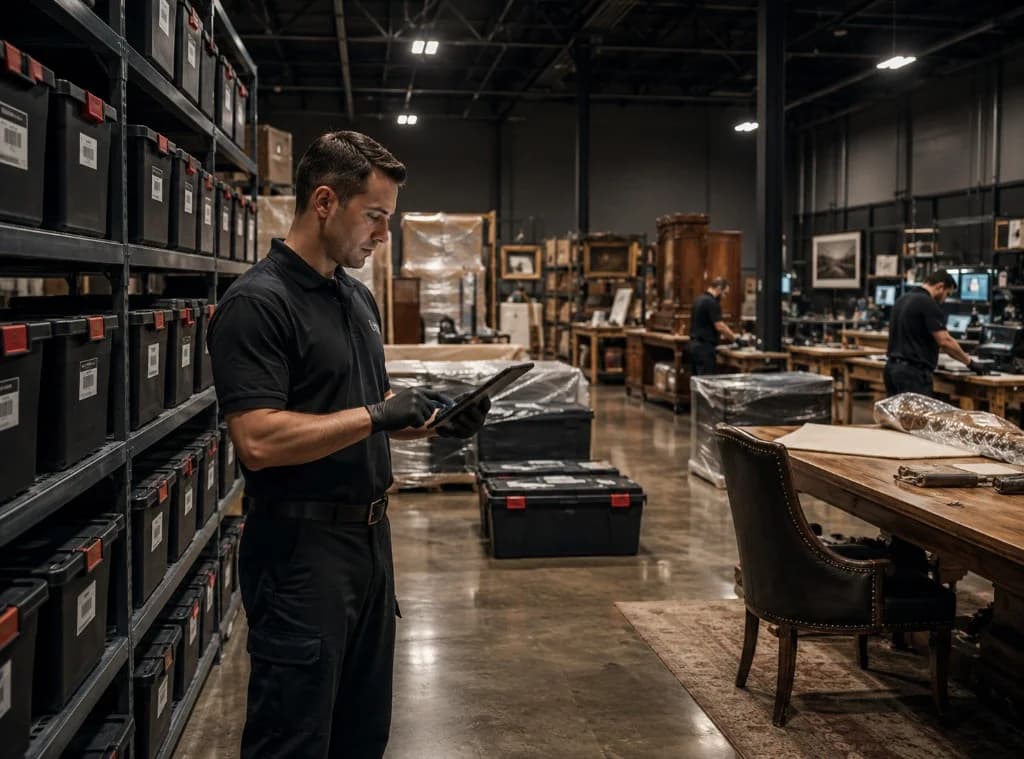
Industry support
Built for pack-out firms, inventory operations, and specialty restoration
Contents losses live or die on documentation. Claims Ninja helps contents restoration companies connect inventory, cleaning, storage, chain of custody, and pricing into claim files carriers can actually review.
Pack-Out & Inventory Operations
Support for room-by-room inventories, barcoding, tagging, boxing, transport logs, and warehouse intake documentation.
Textile & Specialty Restoration
Help organizing cleaning methods, process documentation, specialty handling notes, and valuation support for garments, upholstery, and delicate items.
Electronics & High-Value Contents
Documentation support for testing records, restoration protocols, serial numbers, appraisals, and high-value item files that carriers scrutinize closely.
How it works
From contents file to claim strategy
- 01
Submit Claim Materials
Upload inventories, pack-out records, photos, cleaning documentation, storage logs, testing reports, estimates, carrier letters, and specialty restoration details.
- 02
We Organize the Contents Picture
Our team reviews inventory completeness, chain of custody, cleaning and storage records, specialty restoration scope, pricing, and carrier documentation requirements.
- 03
Supplement Opportunities Are Identified
We flag missing line items, under-documented high-value items, pricing disputes, storage or handling gaps, and contents items that may warrant carrier review.
- 04
Your Team Gets a Clear Path Forward
You receive organized next steps, documentation direction, and claim support for inventory-heavy files that depend on proof, not assumptions.
What we handle
Contents claim details carriers love to question
Inventory Documentation
Room inventories, item descriptions, quantities, condition notes, photos, and barcoding should tell a complete story from loss site to warehouse.
Pack-Out Operations
Labor, materials, boxing, tagging, transport, protection, and on-site handling often need clear documentation tied to the inventory file.
Cleaning Documentation
Cleaning methods, process notes, specialty handling, deodorization, and restoration labor should align with item type and carrier expectations.
Storage Records
Warehouse intake, shelving, climate considerations, duration, handling logs, and retrieval documentation can shape claim review and pricing disputes.
Electronics Restoration
Testing records, restoration protocols, parts replacement, data recovery notes, and serial-number tracking help defend specialty electronics scopes.
Textile Restoration
Garment, upholstery, and fabric restoration often requires process documentation, specialty cleaning methods, and careful valuation support.
Common contents claim items that deserve a second look
Not every item is owed on every claim. These are common areas that may require review depending on documentation, policy, inventory completeness, storage conditions, and carrier requirements.
- Chain of custody and intake documentation
- Barcoding, tagging, or inventory gaps
- High-value item photos and supporting records
- Cleaning method and process documentation
- Storage duration and warehouse handling logs
- Electronics testing and restoration records
- Textile process and specialty cleaning documentation
- Pack-out labor, materials, and transport
- Contents manipulation and on-site handling
- Pricing disputes on specialty or antique items
- Carrier-specific documentation format requirements
- Documentation gaps that trigger carrier pushback
Frequently Asked Questions
Answers to common questions about contents restoration.
We review inventories, pack-out labor, storage, cleaning method codes, and specialty item handling. Contents files fail when inventories are incomplete or cleaning lines do not match item types — we help tighten that documentation.
Detailed descriptions, condition notes, photos, and consistent room labeling matter. High-value items need supporting detail. Organized inventories speed adjuster review and reduce back-and-forth on line counts.
Yes. Carriers question duration, unit counts, and whether storage was necessary. Documenting pack-out timing, vault or pod usage, and return-to-site logistics helps defend those charges.
We organize specialty line items with vendor quotes and handling notes where available. Specialty contents often require separate justification — generic cleaning codes rarely suffice.
Yes. Fire contents emphasize smoke residue, deodorization, and replacement vs. restore decisions. Water contents focus on contamination category, drying timelines, and salvageability. Documentation should match the loss type.
Ready when you are
Start with a free claim review
Tell us about your operation. We'll assess your claim workflow, identify recovery opportunities, and outline next steps.